How Screen Stories Bring Civics and Citizenship to Life
Civics and citizenship education helps young people understand how our democracy works, what it means to participate in community life, and how everyday actions connect to fairness, rights and responsibilities. But these concepts can feel abstract, especially for younger learners.
Screen stories spark curiosity, build empathy and inspire action, making them a powerful tool for nurturing the next generation of active, informed citizens.
Children’s television is full of moments that capture the essence of civic life: negotiating rules, speaking up for fairness, resolving conflict, welcoming diversity and taking action for a cause. These real, relatable entry points help students see civics as something they live every day.
To support teachers in bringing civics and citizenship into the classroom, the ACTF has developed the Civics and Citizenship: Curated Clip Collection. This practical resource features short clips from Australian children’s television paired with scaffolded activities for Foundation to Year 12.
Each clip opens a window into democratic values, community participation and ethical decision-making. Teachers can use these clips to make age-appropriate connections that support curriculum outcomes and spark meaningful discussion.
From Little Things, Big Things Grow
Civics and Citizenship education is about more than laws and structures: it’s about people, relationships and the values that shape communities. The ACTF Civics and Citizenship: Curated Clip Collection uses Australian children’s television to make these ideas tangible and engaging for students. Through familiar stories and relatable characters, teachers can scaffold learning from the early years through to upper secondary, building knowledge and empathy step by step.
F–2: Building Foundations
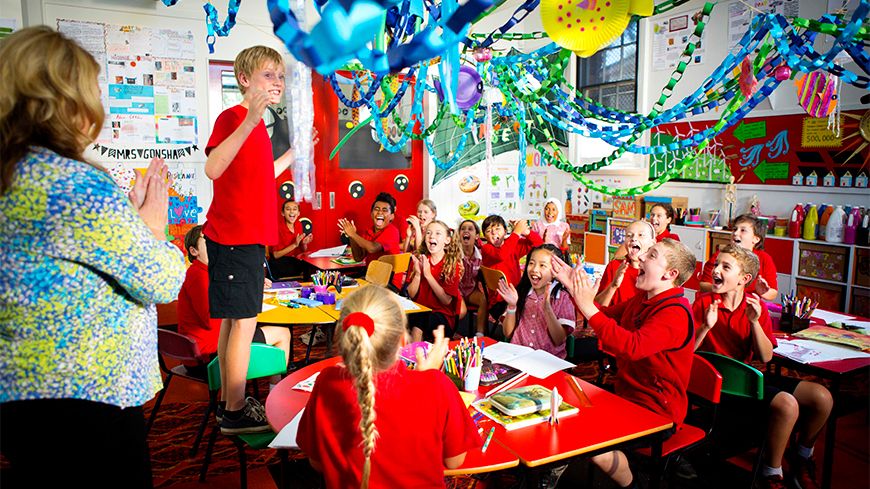
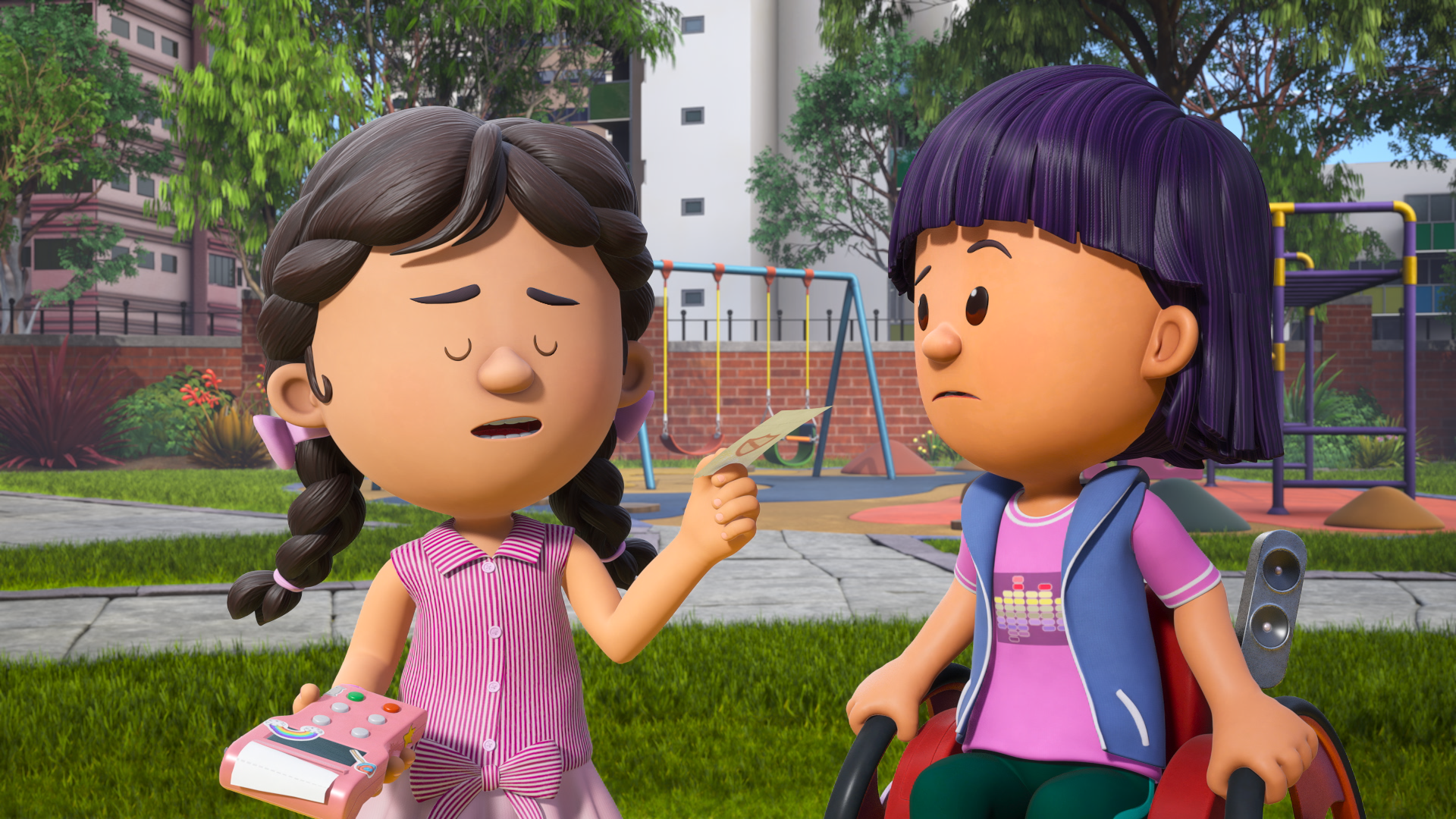
Although Civics and Citizenship appears formally in the Australian Curriculum V9 from Year 3, the foundations begin earlier. For younger students, civic thinking starts with simple ideas: sharing, fairness, rules and belonging. Clips like Shanti taking her playground monitor role a little too seriously in Eddie’s Lil’ Homies or the Little Lunch gang navigating a classroom conflict offer gentle entry points into these concepts. These light-hearted stories reflect real experiences students encounter every day, helping them connect classroom learning to their own lives. Short, engaging clips encourage curiosity and discussion without overwhelming young learners, laying strong foundations for active citizenship.
Years 3–4: Participation and Decision-Making
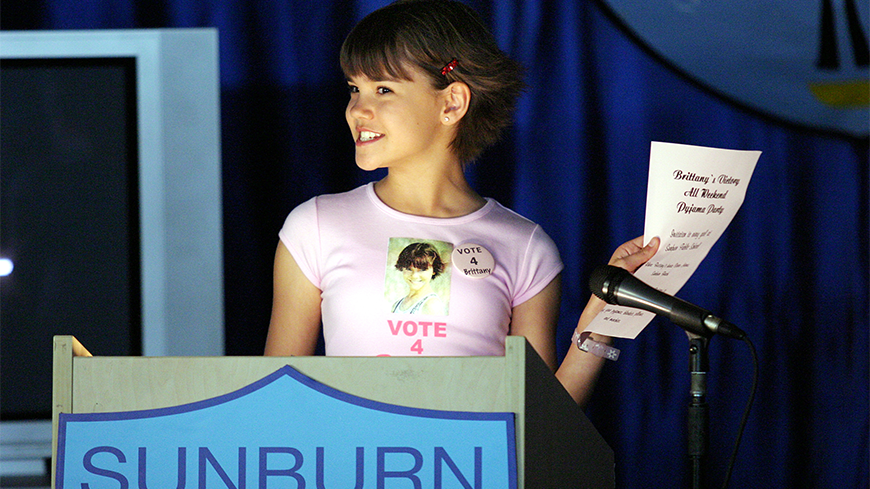
As students grow, the resource scaffolds towards active participation. In My Place, Mohammad’s experience as a new arrival highlights diversity and inclusion. The InBESTigators shows Ava stepping into leadership through the Future Community Leader program, modelling how young people can contribute ideas and improve their communities. Mortified explores democratic decision-making through a class captain election, giving students a practical example of voting and representation. These clips move learning from belonging to participation, while encouraging empathy and perspective-taking.
Years 5–6: Fairness, Equality and Leadership
Upper primary students encounter more complex civic challenges. Little Lunch highlights the excitement and risks of voting based on unrealistic promises, prompting discussion about responsibility in elections. Mustangs FC tackles gender inequality in sport, encouraging students to reflect on fairness and inclusion. In MaveriX, Scott learns that true leadership means including others, reinforcing the idea that leaders act responsibly and fairly. Round the Twist adds another layer by introducing sustainability and shared responsibility, connecting civic ideas to environmental care.
Years 7–8: Advocacy and Collective Responsibility
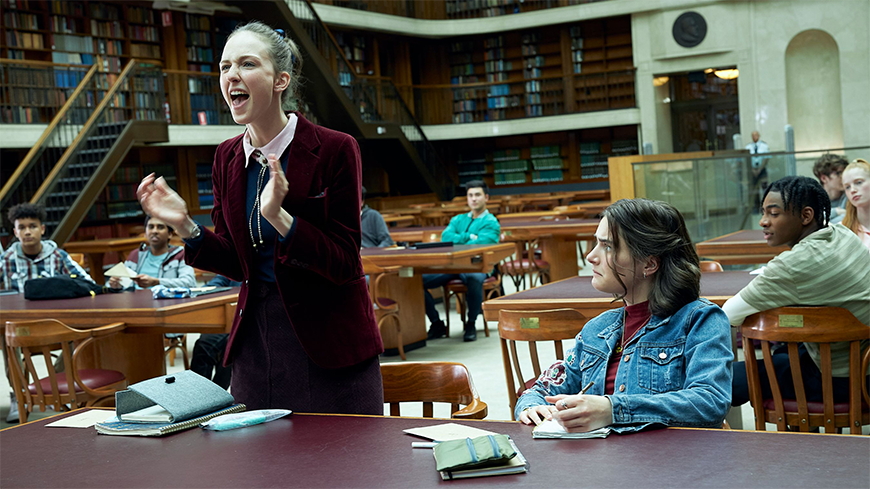
By secondary years, the resource scaffolds towards advocacy and civic responsibility. First Day shows Hannah launching a uniform petition and speaking at assembly, illustrating student voice and collective action. In another episode of First Day, we explore representation and fairness in leadership roles. The PM’s Daughter takes this further, with Cat grappling with activism and the complexities of protest, while parliamentary scenes reveal the challenges of compromise and accountability in democratic systems. These stories invite students to think critically about rights, responsibilities and social change.
Connecting ideas with action
Each short clip in the Curated Clip Collection is paired with Reflect, Explore and Create activities:
-
Reflect prompts unpack the civic dilemma or theme.
-
Explore tasks connect the clip to real-world civic processes. For example, petitions, community leadership, environmental protection or parliamentary debate.
-
Create activities encourage students to take meaningful action, such as designing a campaign, writing a speech, developing classroom rules or planning a community contribution.
This structure supports teachers in guiding students from ‘what they saw’ to ‘why it matters’ and finally to ‘what they can do about it’.
A window into diverse Australian experiences
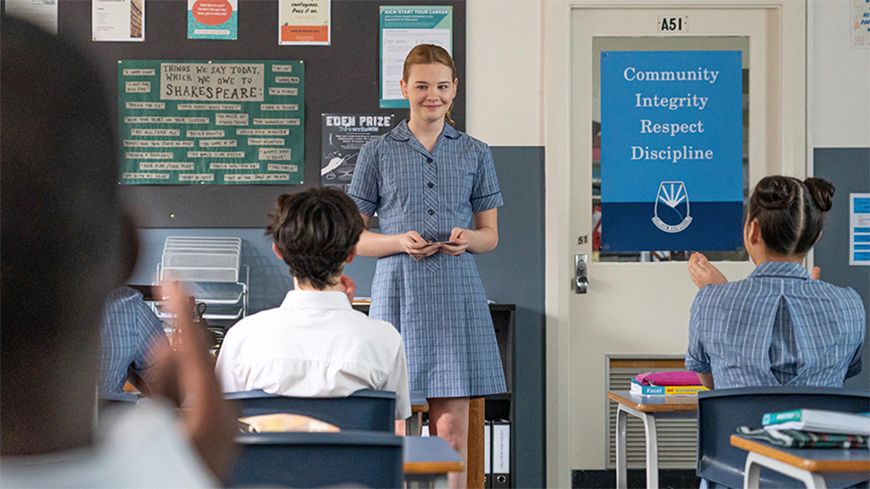
Australian children’s television reflects the richness of our communities. Stories featuring migrant families, First Nations perspectives, LGBTQIA+ young people and multicultural contexts broaden students’ understanding of citizenship. For example, My Place explores identity and history across generations, while First Day offers a contemporary lens on inclusion and respect. Eddie’s Lil’ Homies celebrates Aboriginal culture and language, Mustangs FC tackles gender equality in sport, and The PM’s Daughter explores activism and civic engagement. These stories show that citizenship is shaped by identity and lived experience, helping students build empathy and an inclusive view of what it means to be an active member in their community.
Explore the Civics and Citizenship: Curated Clip Collection
By combining evidence-based civics teaching with relatable screen stories, teachers can help students understand democracy not just as a set of facts, but as something they practise every day.
The Civics and Citizenship: Curated Clip Collection is now available on the ACTF Education website, along with recordings of two professional learning sessions to support primary and secondary teachers.
Written by Dr Keith Heggart, a Senior Lecturer in the Faculty of Design and Society at the University of Technology Sydney and Director of the Centre for Research on Education in a Digital Society. A former school teacher, Keith is an experienced researcher and writer in civics and citizenship education, media literacy, and digital learning design. He has published widely in these fields, contributed to national policy inquiries, and is the writer of the ACTF’s Civics and Citizenship: Curated Clip Collection, which supports teachers to use Australian screen stories to spark meaningful classroom conversations.