Takeaways from the Australian Children's Content Summit 2026
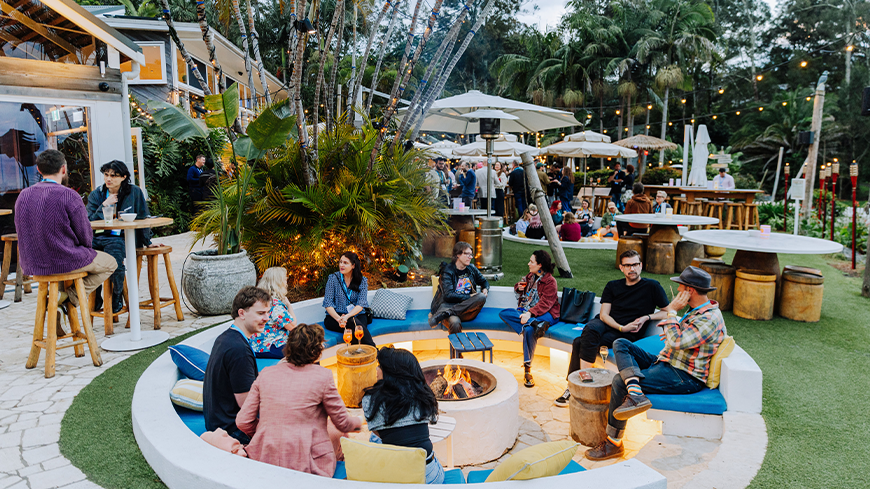
Now in its fourth year, the Australian Children’s Content Summit is not like any other industry conference. Perhaps it’s due to the lush, peaceful surroundings of Coffs Harbour. Or maybe it says something about the mix of people in our kid-focused area of the screen business. But over the four days at ACCS, several people likened the summit to “content camp,” an apt description of the communal energy of the event Suzanne Ryan has created.
Despite the relaxed atmosphere, there’s no shortage of serious topics to be tackled. At the headline in-conversation session with Jenny Buckland (CEO of ACTF), media consultant and content distribution expert Emily Horgan bluntly outlined the tough time our sector is facing. The way children consume their entertainment has fundamentally changed, and many of the big players in the broader entertainment industry have been slow to adapt. The splintering of viewership across different platforms has created a paradox where kids’ content is dominant in terms of hours watched, but opportunities for financing and monetisation have diminished. But chasing commercial success or viral popularity isn’t the answer; Horgan argues that this is an opportunity for public broadcasters to take more risks. In response to the all-too-familiar quandary of “how do we find the next Bluey?” she emphasised that the question itself is misguided. Instead of trying to replicate previous success, we should simply focus on making great content that we’re passionate about - and, crucially, making sure kids can find it.
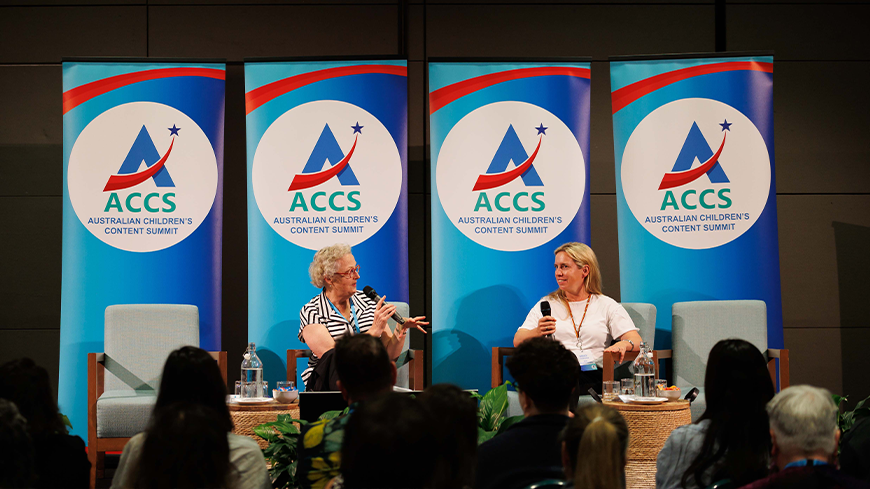
Several panels explored opportunities for collaboration, co-production and partnership. In addition to a new initiative to develop children’s concepts here in Australia, Melinda Wearne (ABC Head of Children and Family) also announced a partnership to discover, co-develop and co-produce content with the BBC. An in-conversation between Bernadette O’Mahony (ACTF Head of Content) and Amie Mills (Head of Funding at NZ On Air) explored the possibilities and challenges of co-producing with our nearest neighbours in New Zealand. Frank Blanquet, Station Manager at First Nations Experience in the US, shared how much Australian Indigenous-led content resonates with North American First Nations kids, and discussed with Cieron Cody (NITV Senior Commissioning Editor) the exciting possibilities for partnership between Indigenous creators and commissioners across the globe.
Numerous sessions highlighted the growing need for collaboration between creatives who produce commissioned content for broadcasters and streamers and creators who produce their own content for direct publishing on YouTube. A recurring theme was that as audiences scatter across streaming, linear, and digital broadcast platforms, TV is becoming more like YouTube - and vice versa. It’s not only beneficial for online creators and established screen practitioners to learn from each other and work together - it’s also essential. Moderated by Dan Crowd (Screen Australia Investment Manager), a panel of creators from the ACTF/Screen Australia IP Incubator was a highlight of the week. The teams shared the way traditional media experience and online innovation can coalesce, showcasing the three very different YouTube channels that are now live and in production as a result of the incubator program, which will soon launch for a second time.
Another topic identified by several speakers across the week was parental trust as a key factor in projects finding their audience. The screen content we’re now making is targeted at children whose parents are younger millennials or Gen-Z. These parents are digital natives with a firm understanding of the online worlds their kids inhabit, and we shouldn’t underestimate their active engagement in the content choices their children make.
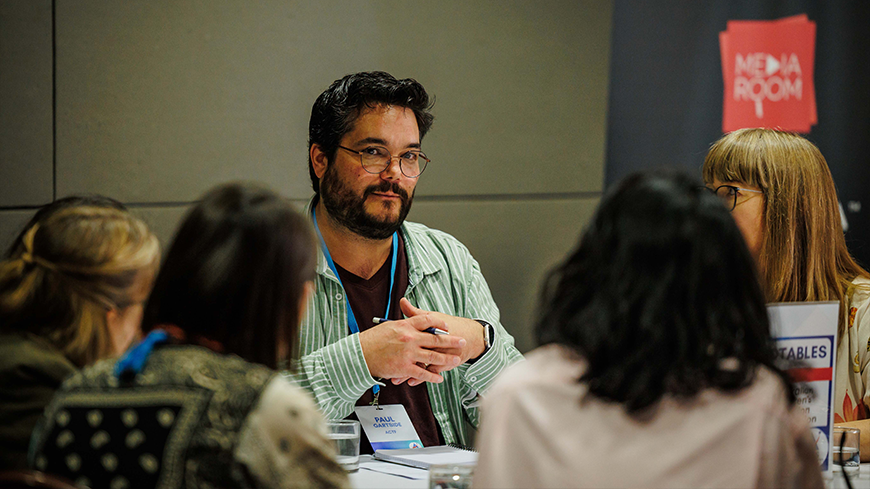
Just as valuable as the summit’s panels and sessions were the smaller conversations and catch-ups. Sometimes these were structured events, such as industry roundtables and executive pitching sessions. At the other end of the spectrum, delegates let their hair down at fun bonding opportunities such as hotly contested lawn bowls and karaoke competitions. From newcomers with the spark of an idea eager to learn and find like-minded collaborators, to colleagues and friends reconnecting, to formal meetings between industry stalwarts, there was a sense of enthusiasm and energy at each gathering.
Of course, no screen industry event is all palm trees and sunshine. Many of the conversations at the summit also grappled with the challenges we face. Everyone who works in the screen business knows that for every idea that becomes beloved by children and families, there are many more dreams that never make it to the screen at all. Amid the inspiration and possibilities, there is plenty of commiseration and complaint to share. But, if the delegates of ACCS are any indication, the people working in the children’s content sector seem uniquely determined to work together to confront the obstacles before us and find answers to the many questions we’re forced to ask ourselves.
How do we continue to bridge the gap between online creators who have sometimes felt excluded by industry gatekeepers and the makers of traditional children’s entertainment who value human curation over algorithmic categorisation?
How can we fully embrace the need for kids to access quality content on as many platforms as possible, all at once, in a landscape of fiercely negotiated licensing agreements and rights carve-ups?
With high-quality children’s content increasingly difficult to monetise, how do we ensure the industry remains accessible to creators from diverse cultural and socioeconomic backgrounds, rather than only to those with the means to take on significant financial risk?
How do we know whether creators, commissioners and parents all mean the same thing when we say we want high-quality, enriching content for our children?
These aren’t straightforward questions to answer, but for one week in Coffs Harbour, surrounded by the enthusiasm and optimism of the other ACCS delegates, they didn’t seem insurmountable challenges. There was an industry-wide openness to discovery, imagination and growth - the very qualities we all hope to inspire in the kids watching our content.